
LegalEASE, a LEGAL ACCESS Company
|
|
Want To Offer Legal Plans? Is your company interested in learning more about how to help employees by providing legal benefit options? |

|
Employers: Our Legal Plans offer a low-cost way for employers to deliver a personalize legal benefits package to their full-time employees. Learn More about our products. |
Human Resource Managers: A simple process with a dedicated team adaptable to your business needs. No administrative or set-up fees. |
Attorneys: A wide range of referrals month over month for our in-network attorneys. Sign Up to Participate and join our Attorney Network. |
LegalEASE Attorney Matching Portal | Read More

- A new online solution now being offered to all registered members.
- A simple 5-step online intake process.
- Ability of selecting specific traits needed from an attorney
- Additional preference options focus on Diversity, Equity and Inclusion.
- Targeted questionnaire designed for each specific Area of Law in need.
- Receiving an attorney match for a member case much quicker.
- Immediate email communications as attorneys respond to cases.
- Option to call a dedicated Member Specialist for guidance at any step during the intake process.
We're Changing the Game
LegalEASE, a Legal Access Company, is an employee benefits company that provides an easy-to-use legal service platform for your employees. Since 1971, LegalEASE continues to offer robust Legal Insurance Plans to employers who see the benefit in providing this valuable service to their employees. LegalEASE plans cover employees’ legal needs, offer experienced attorneys close-by to choose from, and help them connect quickly to the right provider. Featuring the largest and most developed Plan Attorney Network (20,560+ and strictest credentialling standards in industry), and our unique Matching and Compatibility infrastructure, LegalEASE provides high-touch professional services that have and will continue to save your company and employees money, time, and unnecessary stress.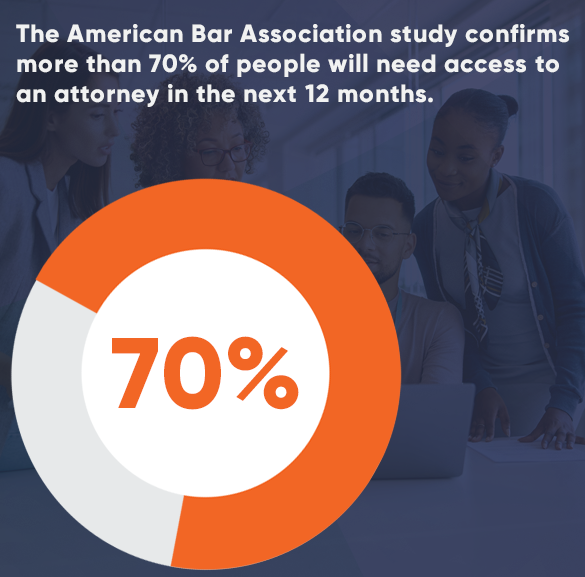 We're here to assist when life’s expected and unexpected legal events occur. The American legal system is complicated. Thousands of new laws and procedures are drafted annually, and many affect the workforce, including:
- Mortgage companies that sell trust deeds and force foreclosures
- Student loans which sell loan paper and lose track of borrowers
- Relatives who die without proper estate planning and end up leaving their assets to the state, instead of their heirs
- Home construction defects increase and builders who refuse to fix these problems
The American Bar Association study found most consumers feel uncertain about how to tell a good lawyer from a bad one. With LegalEASE, employees have access to the largest national network of credentialed attorneys at their fingertips, and the one-on-one personal advocate help available to find the best attorney for members specific legal concerns.

Robust Offerings
LegalEASE is continually adding new resources to help employees who may be struggling legally or financially:
- Education, Resources & Attorney Directory - LegalEASE now offers a dedicated website, The Legal Corner, which is a comprehensive web resource for members and non-members to get help navigating legal resources and find local attorneys.
- Custom Legal Plans - Paid-in-Full coverage for common legal matters with new benefits being added to plans every year.
- Financial Helpline & Coaching - Each plan member who is suffering through credit, budgeting or debt issues is entitled to 10 hours of advice and help from our Certified Financial Counselors on their credit and debt issues. A product offering accessed through The Legal Corner.
- Identity Theft Prevention and Recovery Assistance - Members can have up to 10 telephone consultations a year with a trained Identity Theft Recovery Specialist and receive a step-by-step process to recover of their identity. A product offering accessed through The Legal Corner.
 Coverage for Family
We know about wanting to make the right choices for a loved one, especially when it comes to legal and financial matters. That is why LegalEASE Legal Plans offer coverage not only to the employee, but to their children, spouse, domestic partner, and in most Legal Plans, coverage for the employees' parents and spouses' parents, too. LegalEASE wants to help shield the employees family and savings from unexpected legal issues that can turn into financial disasters.
 Easy Connection to Professionals
LegalEASE makes it so simple for a member or non-member to reach out to us for assistance. We have a 20+ person call center filled with experienced Member Specialists. Below are all the ways an employee can find the help they need when a sudden or planned life event occurs:
LAMP NOW AVAILABLE TO MEMBERS: LegalEASE Attorney Matching Portal | Learn More
- A new online solution now being offered to all registered members.
- A simple 5-step online intake process.
- Quicker matching & connecting with the most qualified Plan Attorney for your case.
- Unique preference options available with a focus on Diversity, Equity and Inclusion.
- Targeted questionnaire designed for each specific Area of Law in need.
- Immediate email communications as attorneys respond to cases.
- Tracking progress of your case online.
- Option to call a dedicated Member Specialist for guidance at any step during the intake process.
- Advocate Compatibility Matching Service | Connect With Us
- Live Help/Phone assistance for members
- Individual and personal guidance through each step finding and connecting to the right attorney for your case
- Speak directly to a LegalEASE Member Services Specialists for detailed explanations
-
Escalated, complex or complicated cases needing immediate attention
- Reduce mental health impacts with a more accurate attorney connection
- Additional legal or financial questions about your LegalEASE plan or coverage
- Online Attorney Directory | Search Now
- Self-service online option (for non-members also)
- Informational & Research purposes ONLY
- No attorney contact information is provided
- Sarch for attorneys at your convenience
- Generated listings of attorneys by Area of Law & Zip Code
- In-Network & Out-of-Network attorneys are displayed
Latest News RSS

Jan 12, 2024
Houston, TX, January 16, 2024 - LegalEASE is proud to announce its accreditation by the Better...

Nov 20, 2023
As the Thanksgiving holiday approaches, LegalEASE wants to take a moment to wish you joy and...

Apr 04, 2023
Houston, TX - LegalEASE, a leading provider of legal insurance plans for employers, has announced...
Meet Patricia and Michael
 Everyone has the need for an attorney periodically throughout their lifetime. Find out why the LegalEASE Legal Plan helps the member and their family as well as their employer.
Becoming a Member
 Interested in becoming a legal plan member giving you peace of mind. Consider enrolling in one of our legal plans. Learn More